

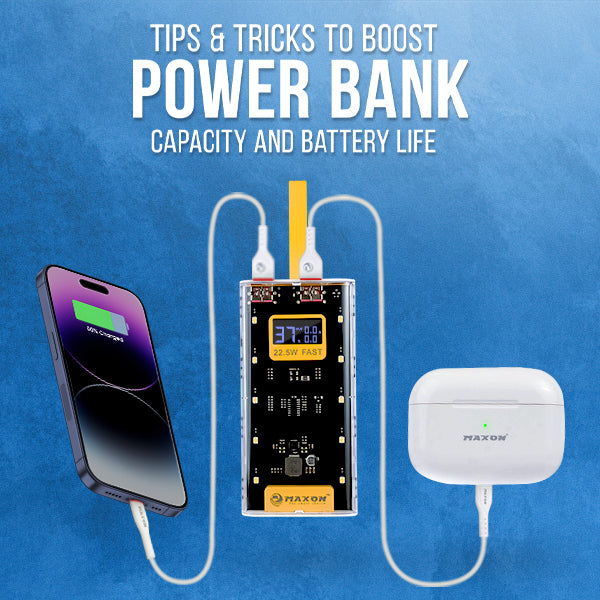
Your power bank is an investment. With proper care, a high-quality lithium-ion power bank can easily last 3-5 years. Follow these 5 proven, scientific tips to protect the battery cells and ensure it’s always ready when you need it.
Avoid Extreme Temperatures
Lithium batteries absolutely hate heat. Never leave your power bank on a car dashboard, in direct sunlight, or near a heater. Ideal storage temperature is 15-25°C. Extreme cold will temporarily reduce its capacity, but extreme heat causes permanent chemical damage.
The 20-80% Rule
For maximum lifespan, try to keep your power bank's charge level between 20% and 80%. Frequent full discharges (draining to 0%) put immense strain on the battery cells. Similarly, keeping it plugged in at 100% constantly causes stress.
Use Compatible Chargers Only
Always use a high-quality wall adapter that matches the required input voltage of your power bank (usually 5V/2A or 9V/2A). Forcing a non-PD certified ultra-fast charger on an older power bank can fry the internal circuitry over time.
Proper Long-Term Storage
If you plan to store your power bank away for weeks or months, charge it to exactly 50% first. Storing a deeply discharged battery can cause it to fall into a "deep sleep" state where it can never be revived.
Keep Ports Clean
Dust, pocket lint, and debris inside the USB ports cause poor electrical connections, which leads to heat buildup and slower charging times. Use compressed air or a dry, soft brush to gently clean the ports once a month.
Signs Your Power Bank is Dying
- It takes significantly longer to recharge itself.
- It gets alarmingly hot during regular use.
- The physical casing looks swollen or bulged (Stop using immediately!).
- LED indicators flash erratically or die unexpectedly.
Time for an Upgrade?
If your old power bank is dying, replace it with a modern, high-efficiency GaN-supported power bank.
Shop New Power Banks

